

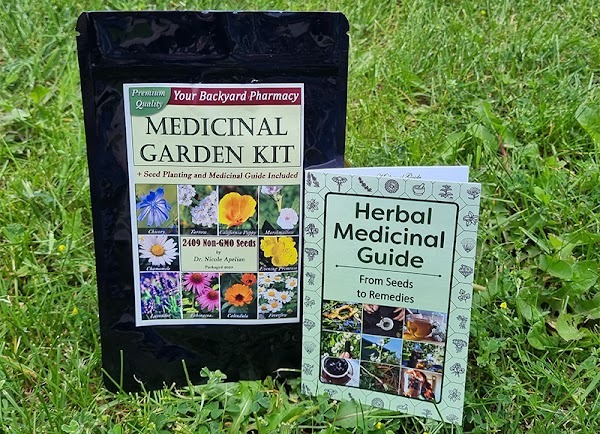
Medicinal Garden Kit
The most important thing that's probably missing from your backyard.
I am a mother, an herbalist, a survival skills instructor, and a biologist. I graduated with a degree in Biology from McGill University and further developed my herbal skills in the desert of Kalahari. I lived there for years with one of the oldest cultures on Earth, the San Bushmen. Many San still live off what the land provides in terms of food and medicine, and many of them live well to a ripe old age without ever taking pills or seeing the inside of a hospital.


When I was just 29 years old, I was diagnosed with Multiple Sclerosis. MS is an incurable autoimmune condition that makes your own immune system attack the brain and spinal cord. I was in constant agony, most of the times in a wheelchair.
The Western treatment prescribed by my doctors didn’t provide much relief. For the last 20 years I’ve been managing my MS using the natural remedies that I personally grow in my backyard. I went from being pushed in a wheelchair to being fully alive. So much that in 2015 I survived for 57 days straight in the wild on the History Channel’s TV show Alone.


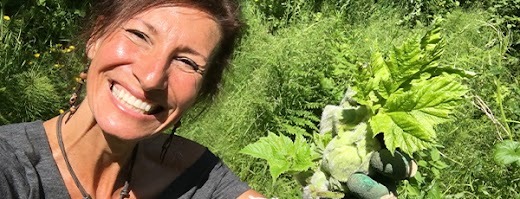
I turn to my small backyard pharmacy whenever I’m in pain, catch a cold, have fever, and so on. I haven’t stepped foot in a pharmacy in a very long time. I have all I need here in my backyard for me and my whole family.
Discover natural medicine
About Nicole Apelian, Ph.D
-In times of crisis, people will once again turn to plants, both for food and medicine.
-And there are some plants that will disappear faster than all others.
-Therefore, the only way to ensure you have them when you need them is to grow them in your own backyard.
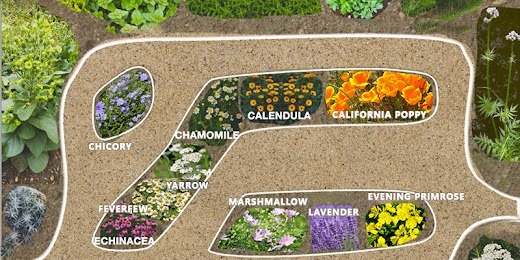
I think everyone should have a medicinal garden in their backyard. This way you can easily go and pick the remedy you need at any time. Your backyard pharmacy will be there for you even in times of crisis when pharmacies might be closed or looted.
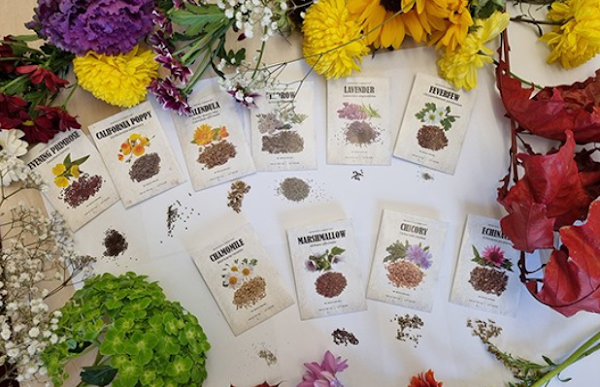
Imagine stepping into your backyard and looking at your new colorful medicinal garden. Your backyard will smell of fresh lavender and chamomile.
You can pick any of these medicinal plants and turn it into the remedy you need.
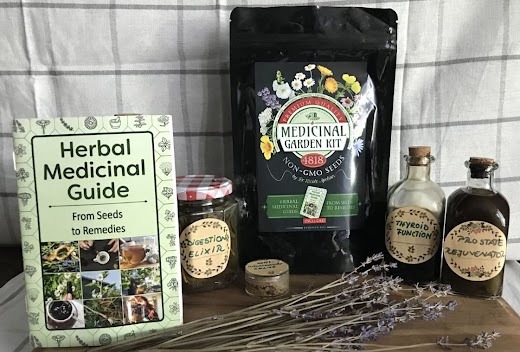
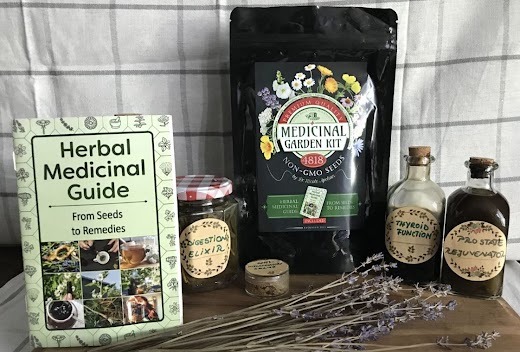
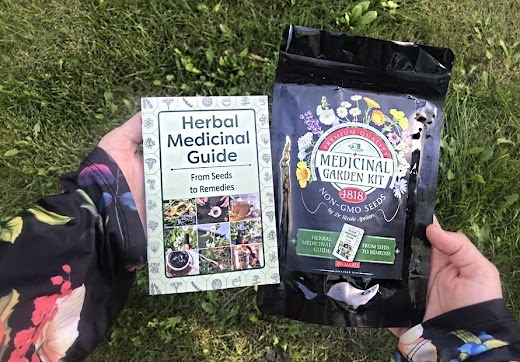
I’ve gathered all the seeds for 10 herbs, inside the Medicinal Garden Kit. All these seeds have been handpicked from the very best plants, as I wanted nothing less than premium quality seeds.
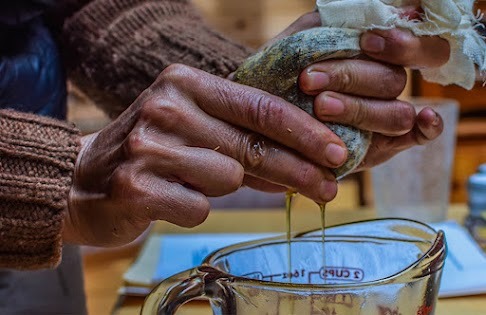
With your seeds kit, you’ll also receive a FREE copy of Herbal Medicinal Guide: From Seeds to Remedies. This guide will show you how to turn these 10 plants into tinctures, ointments, salves, poultices, decoctions, infusions, essential oils —all in minute detail so you can follow our guide even if you’ve never made an herbal medicine in your life.
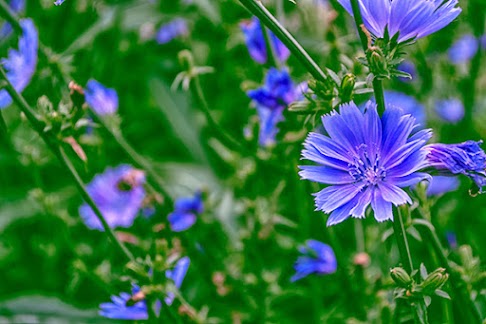
Chicory – The Painkilling Plant You Should Grow in Your Backyard
This is the wild plant that Native Americans used to look for more than any other. They’d harvest and use chicory to make a natural painkilling extract for a wide range of physical discomforts, especially stiff and achy joints. And so can you! The root is rich in chicoric acid (CA), a plant compound with potent anti-inflammatory and analgesic properties but no risk of addiction. If our pharmacies ever run dry, having even a small patch of chicory growing in your own backyard will provide relief.
I made this Medicinal Garden Kit because I wanted to empower other people to take their health into their own hands.
A Complete Natural Pharmacy in Your Backyard
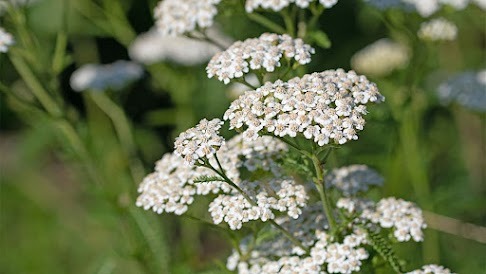
Yarrow – The Backyard Wound Healer
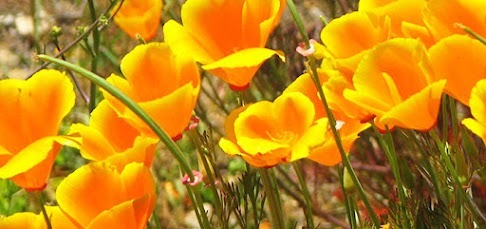
California Poppy – Better Than Sleeping Pills
Marshmallow – The Most Powerful Plant for a Healthy Digestive System
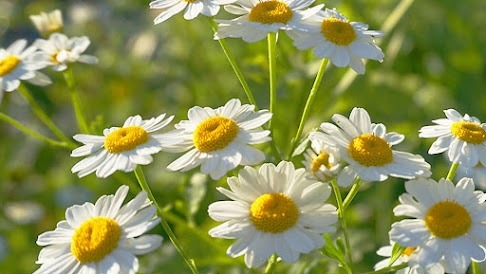
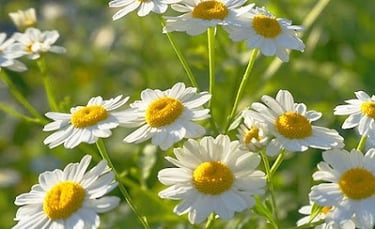
Chamomile – The Natural Antibiotic
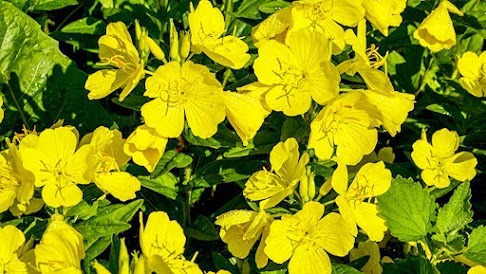
Evening Primrose – A Natural Remedy for Skin and Nerves
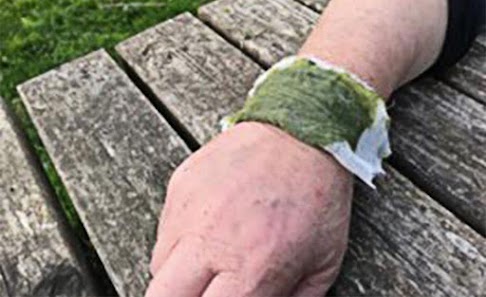
You always want to have a quick and reliable way to stop a wound from bleeding and help prevent infection. Yarrow does both, and it really saved my knuckle. On day 42 of Alone, I accidentally cut my hand while gutting a fish. The wound was very deep and most likely would have gotten infected since I had no antibiotics with me.
Luckily, I found some yarrow and wrapped it around the wound. The bleeding stopped in minutes, and my wound healed so well that now there’s barely a scar left. Since then, I always carry a pouch of dried yarrow with me, just in case. A yarrow tincture, when applied to your skin, acts as a natural and effective way to repel mosquitos and other insects.
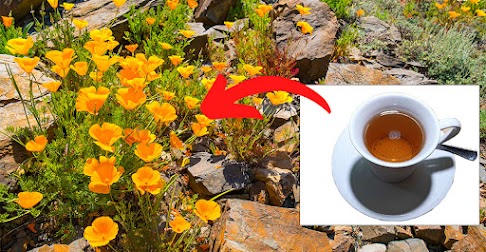
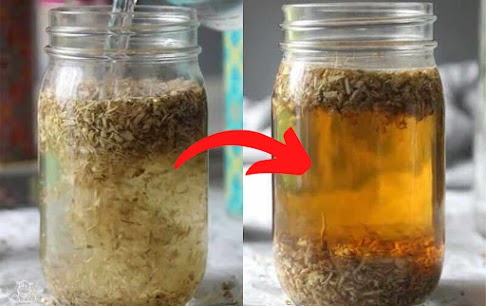
California poppy helps support a restorative, deep sleep like we enjoyed as children, when falling and staying asleep for at least eight hours each night were both effortless. Why risk the addiction of prescription sleeping pills when you can make your own Sleep Tea from this plant?
I usually drink it before bed and then doze off soon after, while I’m reading or watching TV. You could not wake me up easily; my kids have tried a few times. Now, if your bout of insomnia is of the more serious nature or you’re suffering from PTSD, just turn California poppy into a more concentrated sleep tincture. That should do it.
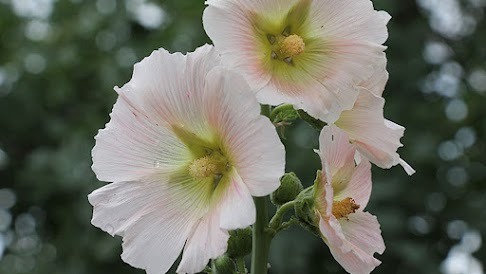
When most people hear marshmallow, they tend to picture the white fluffy treat commonly roasted over a campfire. Traditionally these were made from the root of the marshmallow plant, a powerful medicinal herb that you’ll want to grow yourself at home. Its leaves and root are antibacterial, and most importantly, they contain a sap-like substance called mucilage.
As the marshmallow mucilage goes down through your digestive tract, it will coat your stomach, intestines, and colon with an additional protective layer, soothing inflammation it finds along the way. That’s why this tea also helps people with stomach ulcers and digestive disorders, such as heartburn, indigestion, constipation, irritable bowel syndrome, or Chron’s disease.
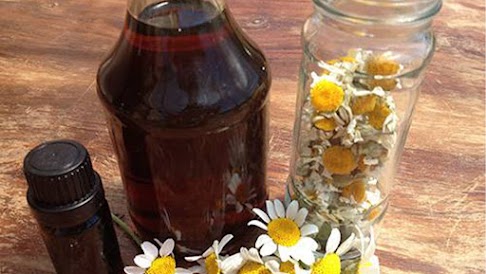
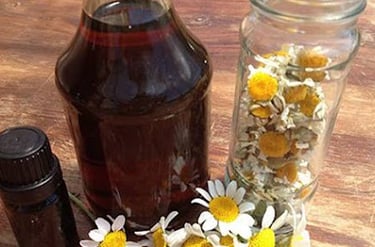
My grandmother used to grow chamomile in her garden. She would pick the flowers in early autumn, dry them on old newspapers, and store them in mason jars. She saw this plant as a real “heal-all.” If I’d get pinkeye, she’d put a warm compress dipped in chamomile tea over my irritated eyes. If my stomach hurt, she’d make me drink the tea, and I’d soon start to feel better.
It’s very soothing, and it helps relax your digestive muscles. You can also use this plant to make your own chamomile oil, which is still probably one of the best natural skin remedies out there. Researchers believe that’s because chamomile oil can penetrate even the deep layers of your skin, where true healing takes place.
This plant is called evening primrose because its flowers open at sunset. Each bloom lasts for only one night. Our forefathers would use it to make a poultice for bruises, wounds, and skin eruptions. Turns out they were right. This plant contains two substances our skin needs but cannot produce on its own (gamma-linolenic acid and linolenic acid).
They’re also very important for the membranes of nerve cells, and that’s probably why more and more people with unresolved nerve pain are turning to this plant. Evening primrose can also help to balance out hormone levels. If you ever feel like you’re constantly fatigued, you gain weight inexplicably, or you’re simply unable to tolerate hot or cold temperatures like you used to, then you might be dealing with a hormonal imbalance.
The 10 Medicinal Plants You'll Have in Your Backyard
Assine já
Receba novidades e ofertas exclusivas